Is it illegal to sell a house with damp or mould?
A survey has come back with the word damp in it and now the buyer wants money off. It happens constantly and it's one of the most common reasons a sale round here stalls. Before you panic or agree to a reduction, give us five minutes.
No. Selling a house with damp or mould isn't illegal. Hiding it is the issue. You have to answer the property information form honestly, and misleading a buyer can bring a claim after completion. A surveyor usually finds it anyway. Get the cause diagnosed, the work priced, and hand over the paperwork.
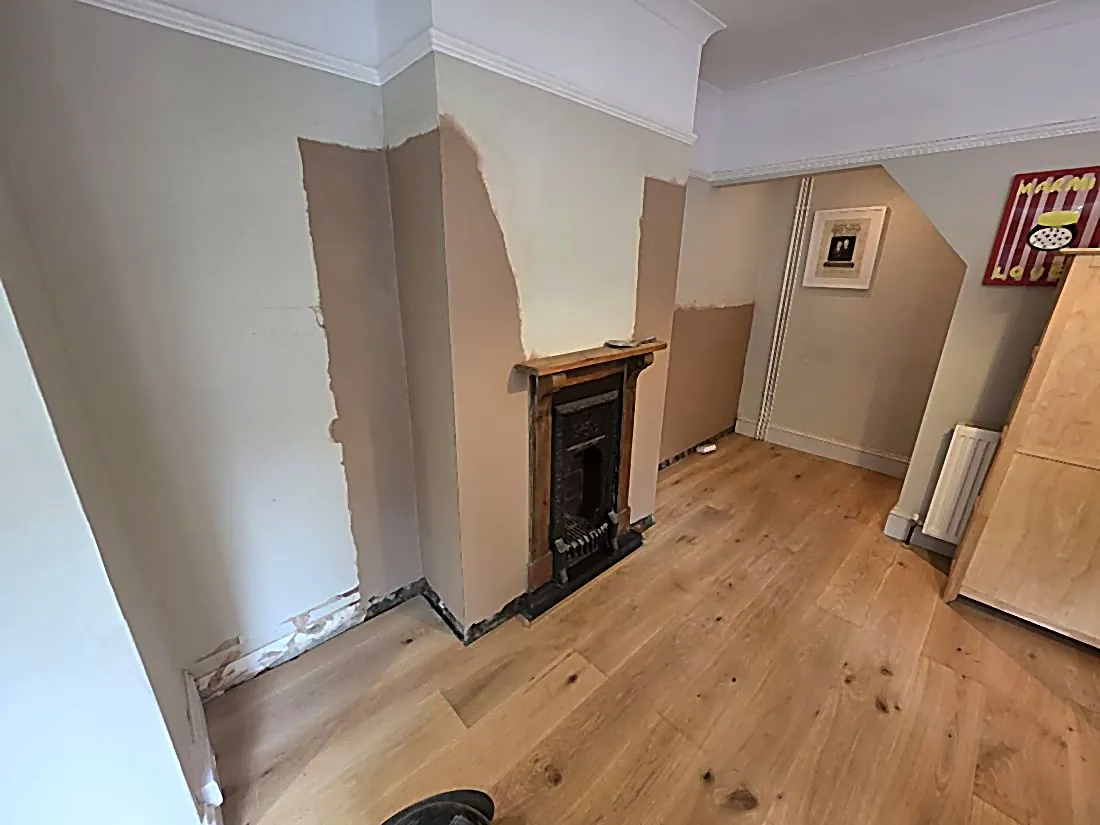
Read what the surveyor has actually written
Read the whole paragraph rather than reacting to the headline. Most survey notes about damp come down to a moisture meter reading, some visible staining, a bit of salting, or the phrase further investigation is advised. That last one is a surveyor covering himself, not a verdict on your house. There is a big difference between high moisture readings at skirting level on one wall and active water coming in through the structure. Work out which one you've got before you start negotiating over it, because they're not remotely the same job.
Why does damp knock money off a sale?
Because the word does a lot of heavy lifting in a buyer's head with no number next to it. They read damp and picture the whole house coming back to brick. So they ask for a reduction that bears no relation to what the work actually costs, or they walk. And there's a third one people forget about. A lender can hold back part of the mortgage until the work is done, which stops the sale dead even when the buyer is perfectly happy. The surveyor isn't being awkward either. He knows that damp left long enough rots skirtings and joists, ruins plaster and turns a hundreds job into a thousands one, and it's his name on the report.
A number beats reassurance every time
You don't stop a renegotiation by telling somebody it's fine. You stop it with a report and a price. Get a qualified damp surveyor to look at it, get the cause written down, and get the work costed. Now the conversation isn't about a scary word, it's about a specific job with a specific figure attached. In our experience that figure is nearly always a fraction of what the buyer had in their head, and once it's on paper in front of them the whole thing calms down very quickly.
What can genuinely be done before exchange?
More than most people expect. Surface mould treated, cleaned off and made good is a day or two. An extractor swapped or a PIV unit fitted is about half a day. Even a wall hacked back, damp coursed and re-rendered is days rather than weeks, though you have to allow drying time before anybody decorates it. The bit that eats the calendar in a sale is almost never the work itself. It's everybody sitting about waiting to agree who is paying for it. We're out across Esher, Weybridge and Walton-on-Thames most days, and we work every day, 8am to 8pm, which helps when you're fitting a visit round viewings.
Do not just paint over it
We're saying this plainly because we've watched it go badly wrong for people. If you put paint over a damp wall to get through a viewing, the surveyor will find it with a meter anyway. And if he somehow doesn't, the buyer finds it in their first winter, and now you've got something far worse than a price negotiation. Fix it, document it, hand over the paperwork. It costs less in the end and you'll sleep better between exchange and completion.
What the buyer's solicitor wants to see
A report saying what the cause was, an invoice showing the work was done, and the guarantee that came with it. That little bundle of paper does more for a wobbling sale than any amount of talking on the doorstep. Our work carries a guarantee from one year up to five, depending on the level of work and whether a PIV unit has been fitted. Being able to hand a nervous buyer paperwork instead of promises is worth a lot at that stage.
Common questions
Do I have to tell the buyer about mould I've already treated?
Yes, and you want to. There's a question about it on the property information form. Trying to hide treated mould is how a straightforward sale turns into a legal issue after completion. Treated, documented and disclosed is a strong position to be in. Hidden and then discovered is not, and it will cost you more.
How quickly can you come out and get a report over?
We're out most days and we work every day, 8am to 8pm, which helps when you're fitting things round viewings. The written report normally follows within a few days of the visit. If you're up against an exchange date, say so when you ring on 01372 271248 and we'll do what we can to work to it.
The buyer wants a big reduction. Should I just take it?
Not until you know what the work actually costs. We've seen people knock thousands off a sale price over a job that was a day's labour and a bit of material. Get it priced properly first. Then either offer to do the work yourself or knock off the real figure, and most buyers will take that.