Our services
Mould, damp, allergy, rot & sanitisation services in Surrey
At Elmbridge Mould Removal (EMR) we provide professional solutions for mould, damp, allergies, wet and dry rot and sanitisation across Surrey. We help homeowners, landlords and businesses deal with moisture and allergen issues, and keep their properties clean, safe and comfortable.
Your home and your workplace should be places where you can relax and stay well. For a lot of people they are not. Pollen, dust mites, pet dander and mould spores are in every home, and for anyone sensitive to them, life can become unbearable. We put together the right combination of our services to make your home or workplace safe and as allergen-free as it can be.
01Mould & mould mites
Mould removal, treatment & prevention
We are a professional mould treatment company dedicated to creating healthier, safer and cleaner indoor environments. Our experienced team provides mould surveys, removal, treatment and prevention for homes and businesses.
Using proven methods and high-quality products, we tackle mould at its source and help stop it coming back. Whether you are dealing with visible mould, damp-related issues or a musty smell that will not shift, we put together a solution that fits your property.

 Dewpoint Professional accredited · Biokil approved contractor
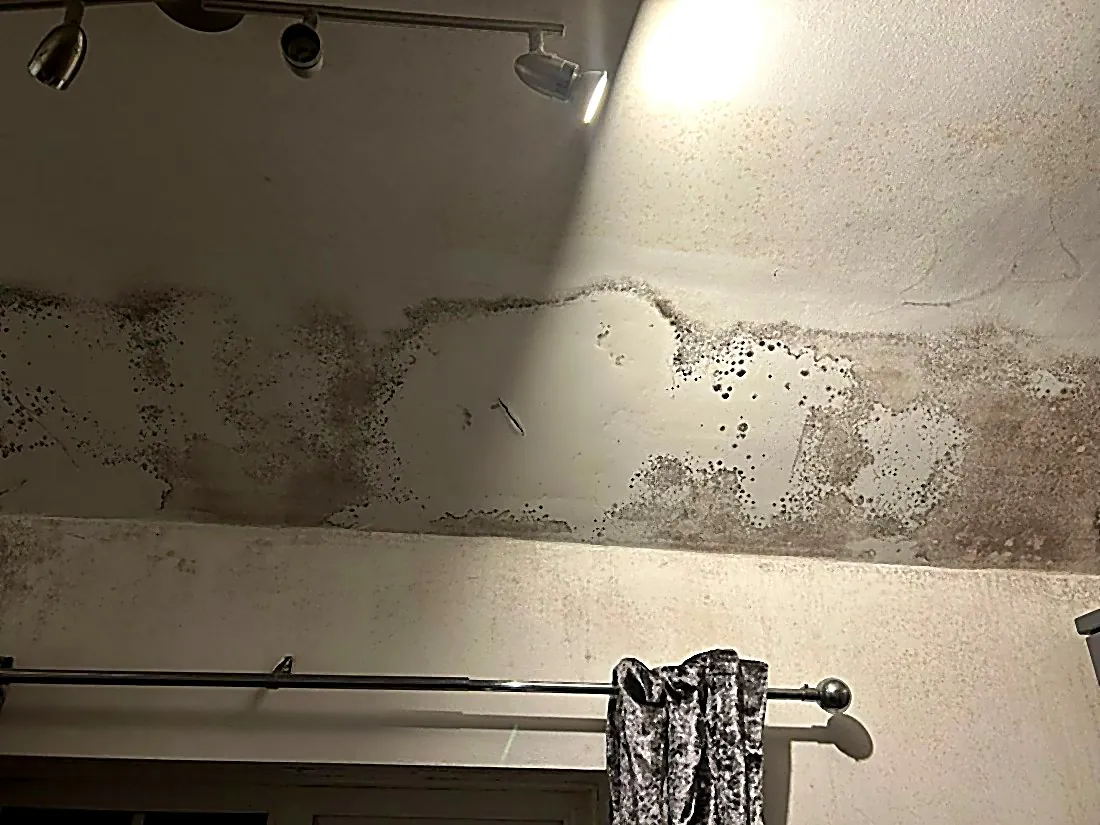
How mould affects your health
Mould causes allergic reactions when an over-sensitive immune system mistakes harmless mould spores for something dangerous. This is what happens:
-
Spores get into the air
Tiny, light spores float through the room and are breathed in through your nose and mouth, or land on your skin.
-
Your immune system overreacts
It mistakes the spores for a threat and makes allergy antibodies (immunoglobulin E) to fight them.
-
Histamine is released
The antibodies trigger cells to release chemicals such as histamine, causing inflammation and irritation.
-
You feel the symptoms
In your airways, eyes, nose and skin — the standard signs of an allergic reaction.
What about mould mites? They do not normally bite or sting, but their bodies and debris can add to allergic reactions in sensitive people.
Quick check
Recognise any of these at home?
Tap the symptoms you or your family have noticed.
Tap any symptoms you have noticed and we will tell you what it could mean.
Book a free health checkThis is not a medical diagnosis. Speak to your GP about any symptoms. Babies, older people and anyone with asthma or a weakened immune system are more at risk from damp and mould.
Common types of household mould in the UK
Most mould in UK homes is black, green, white, or blue and pink, and it almost always grows because of condensation and damp. Pick a colour to see what it looks like and where it grows.
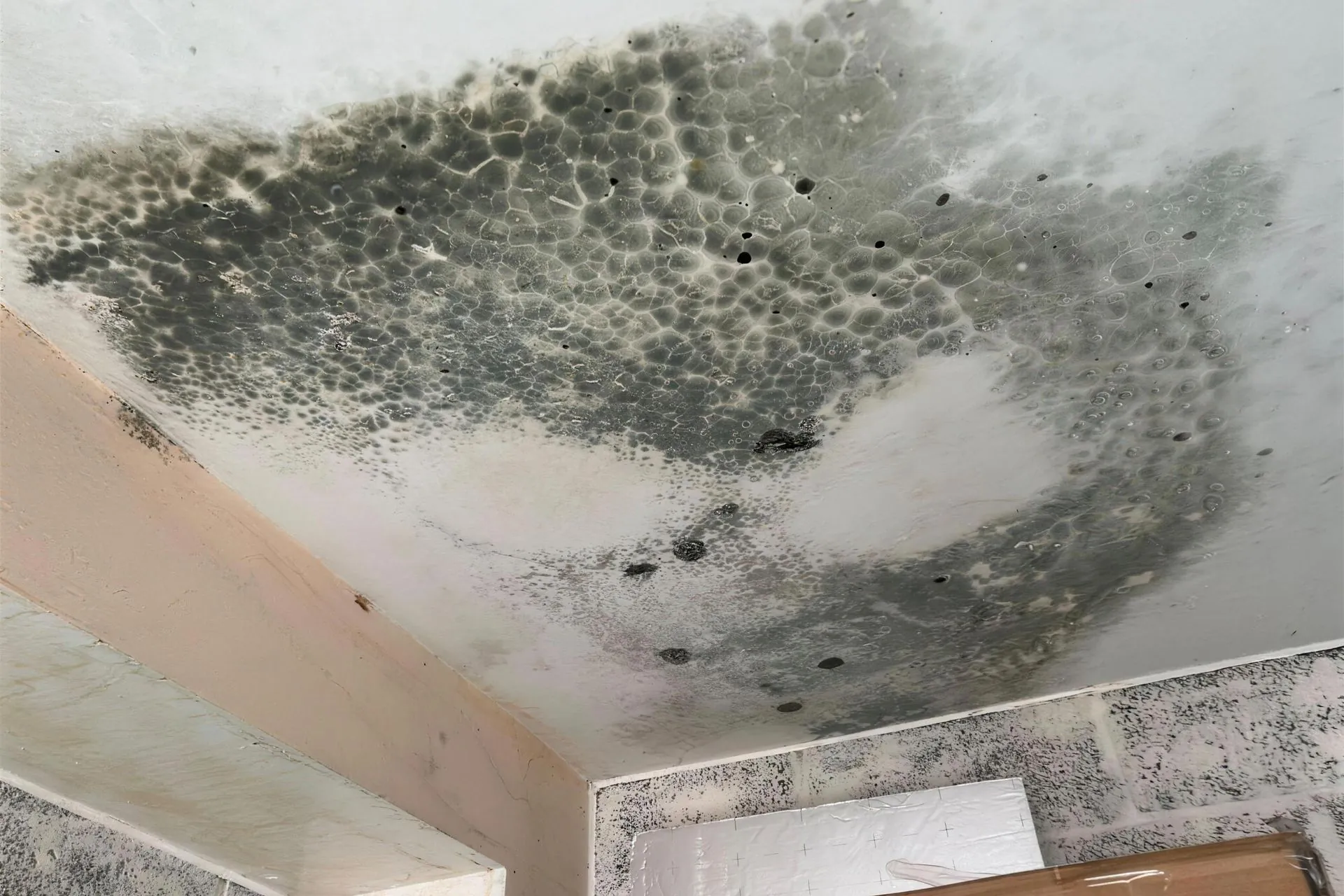
Black mould
- What it looks like
- Dark green or black, with a slimy or soot-like texture.
- Where you find it
- Bathrooms, around cold windows, and on water-damaged plasterboard or timber.
- Bathrooms
- Cold windows
- Plasterboard
- Timber
Green mould
- What it looks like
- Powdery, velvety or fuzzy patches, from olive to light green.
- Where you find it
- Damp walls, window frames, carpets and bedrooms with poor air flow.
- Damp walls
- Window frames
- Carpets
- Bedrooms
White mould
- What it looks like
- Powdery, cottony or furry growth that can look like dried salt crystals.
- Where you find it
- Cool, damp areas like cellars, basements and cold corners.
- Cellars
- Basements
- Cold corners
Blue or pink mould
- What it looks like
- Speckled blue-green or pinkish-orange spots.
- Where you find it
- Wet bathrooms, shower grout, and water-damaged fabrics or insulation.
- Wet bathrooms
- Shower grout
- Fabrics
- Insulation
How we treat mould
We tailor every mould treatment to where the mould is and how far it has spread, using a combination of:
- Antimicrobial cleaning
Affected surfaces cleaned with professional antimicrobial products.
- Our specialist kitAnti-mould fogging
A fine mist that changes the structure of mould spores so they no longer cause an allergic reaction. It is safe for people and animals, because it is a naturally occurring substance your own body makes to stop wounds getting infected. It also controls odours and will not bleach furniture.
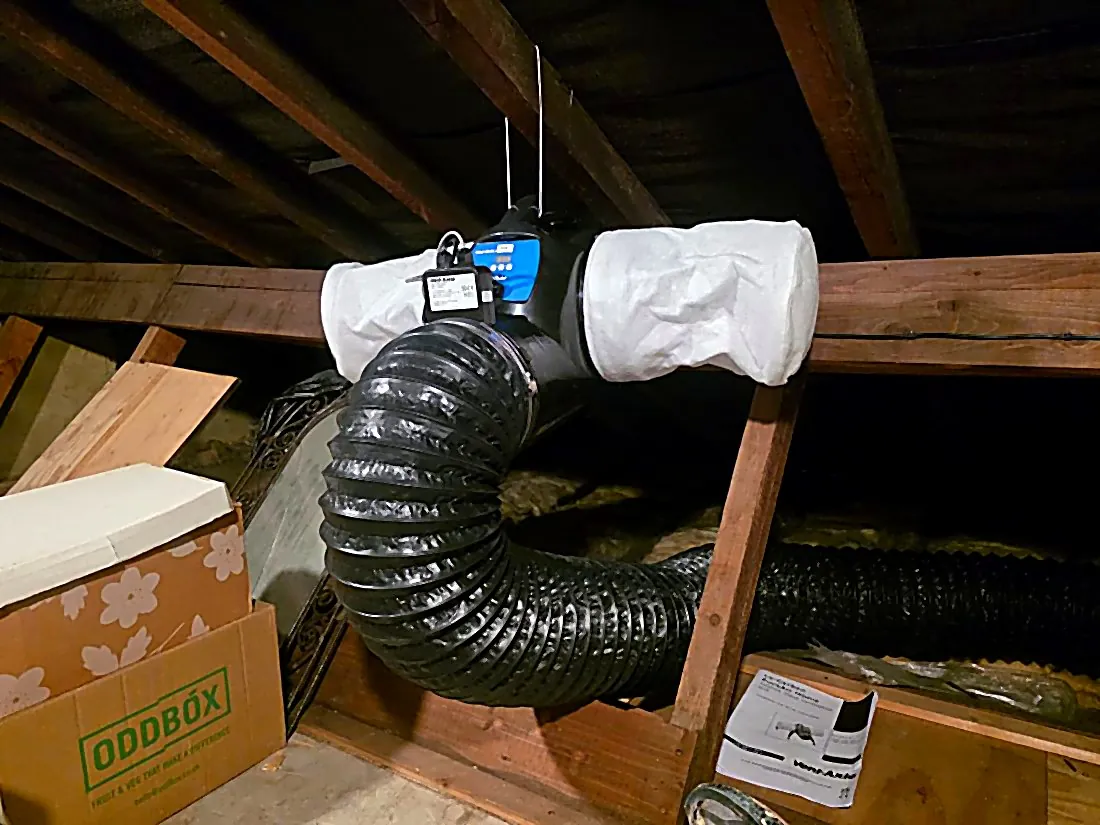
- Positive Input Ventilation (PIV)
A whole-house system that stops condensation and damp by continuously blowing fresh, filtered air into the property.
- Air filtering & humidity control
Systems that keep the air cleaner and hold moisture at a level where mould struggles to grow.
- Mould-proof paint & stain block
A finish that resists regrowth and stops old staining showing back through.
- HEPA air scrubbers
Portable, commercial-grade machines that pull in contaminated air and pass it through a HEPA (High-Efficiency Particulate Air) filter to remove mould spores and other harmful particles.
- HEPA vacuuming
Removes spores from clothing, carpets and soft furnishings.
- Steam cleaning
Heat and steam to deep-clean affected surfaces and fabrics.
02Damp
Damp proofing & damp surveys
We provide professional damp-proofing and moisture control for homes and commercial properties. Our experienced team diagnoses and treats every kind of damp issue, including rising damp, penetrating damp, condensation, mould and water ingress.
We take a thorough approach and find the underlying cause before we recommend anything. From detailed damp surveys and remedial damp-proofing to waterproofing and mould treatment, we aim for high-quality work and results that last, with honest advice from start to finish. Whether you have a damp issue now or want to protect your property from one in future, we will keep your home or business dry, healthy and protected.
 Federation of Damp member · Dewpoint accredited · Biokil approved
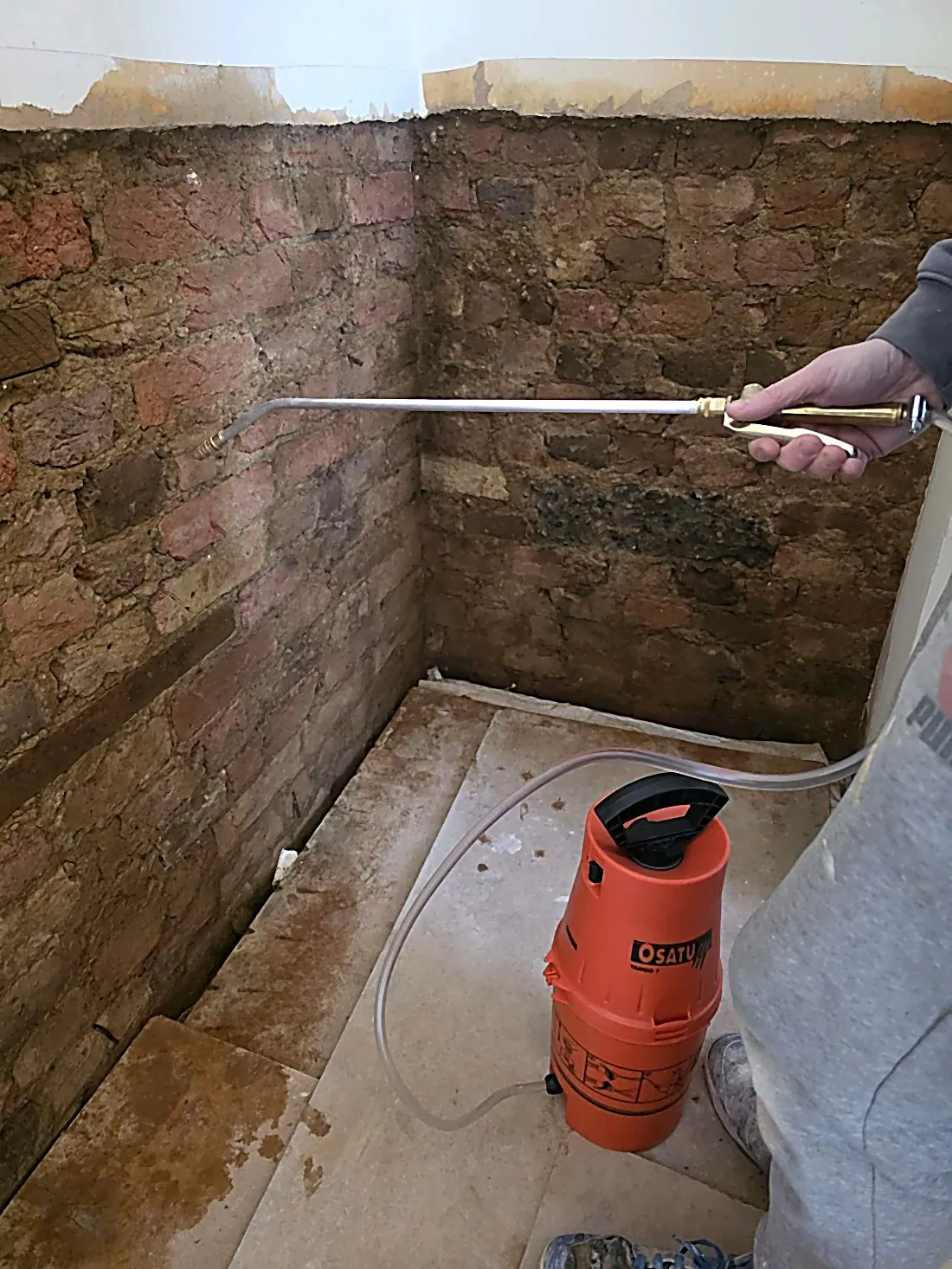
Where is your damp coming from?
Damp in a house is mainly caused by condensation, penetrating damp or rising damp. They can look alike but need completely different fixes, which is why we always find the cause first. Tap a number on the house, or pick a cause.
- aToo much moisture. Cooking, showering and drying clothes indoors release a lot of water vapour into the air.
- bPoor ventilation. No extractor fans or open windows, so moist air is trapped inside.
- cCold surfaces. Warm air hits cold walls or windows and turns into water droplets.
- aOutside leaks. Damaged roof tiles, cracked render or blocked gutters let rain run down or soak into walls.
- bPorous brickwork. Bricks and masonry soak up heavy rain and pass it straight through to the inside.
- cPlumbing faults. Hidden leaks from pipes, baths or showers slowly soak the walls and floors around them.
- aFailed damp-proof course (DPC). A missing or damaged waterproof layer lets ground moisture climb up through porous walls by capillary action.
- bHigh ground level. Soil piled up against an outside wall can bypass the DPC and push moisture indoors.
What damp does to a house
Damp breaks down a building's materials, encourages mould and can make the people living there unwell.
- HealthBreathing issues
Damp encourages black mould and mildew, which release spores that cause coughing, wheezing and shortness of breath.
- HealthWorse allergies
Living with damp increases skin and eye irritation, and puts children and older people at higher risk.
- BuildingRots timber
Moisture breaks down wood, destroying floorboards, window frames and skirting boards.
- BuildingWeakens walls
Water damages masonry, brickwork and foundations, and makes plaster crumble or stain.
- BuildingRuins decoration
Paint blisters, wallpaper peels, and tide marks or salt deposits appear on walls.
- BuildingDamages belongings
Furniture, clothes and carpets soak up moisture and start to smell musty.
How we fix it
We tailor the fix to the issue, choosing what is needed from these steps:
- 1Find the sourceFinding exactly where the damp is coming from
- 2Repair the entry pointFixing where water gets in, and any damage it has caused
- 3Stop condensationChanging the conditions so condensation cannot form
- 4Clear the mouldCleaning any mould and removing spores from the air
- 5Filter the airInstalling air filtration systems where needed
- 6RedecorateMaking good and redecorating the affected areas
03Allergies
In-home allergy treatment
Breathe easier at home. Our in-home allergy treatments reduce the allergens that trigger breathing difficulties, sneezing, congestion, itchy eyes and other discomfort.
With a professional assessment and treatment targeted to your living space, we make it easier to create a cleaner, healthier and more comfortable home for you and your family.
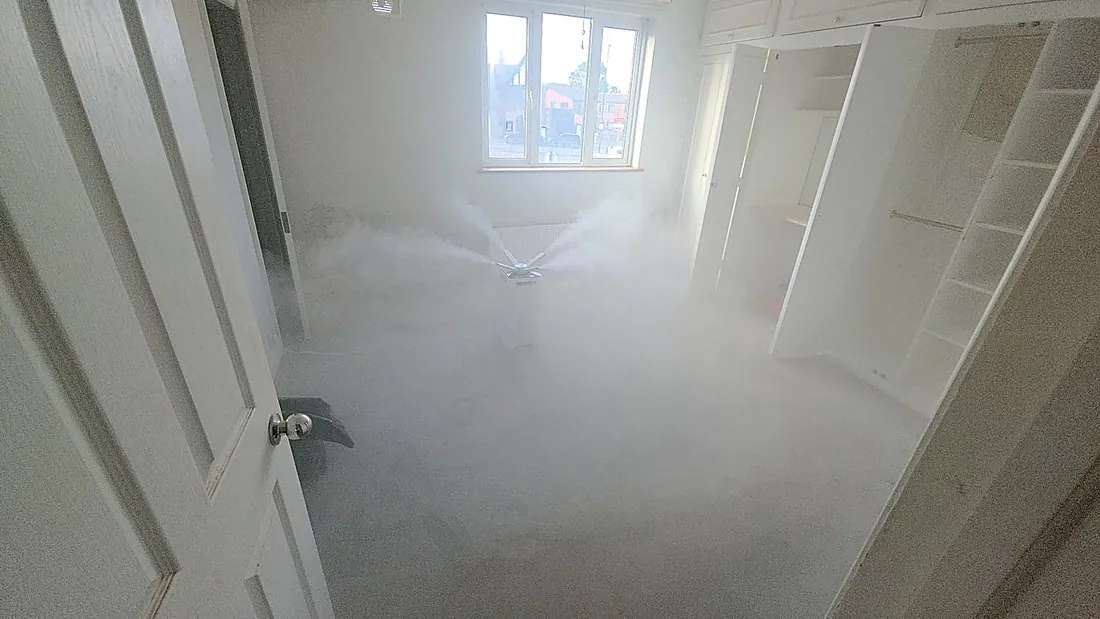
The most common allergens in UK homes
Indoor allergens are particles and substances in the home that trigger allergic reactions. The most frequent ones we deal with are:
- House dust mites
Tiny bugs that live in warm, damp places. Their waste and dead bodies are what cause symptoms.
- Mattresses
- Bedding
- Carpets
- Soft furniture
- Pet dander
Tiny flakes of skin, along with dried saliva and urine, shed by pets.
- Cats
- Dogs
- Furry pets
- Feathered pets
- Mould spores & pollen
Spores from damp areas and pollen carried in from outside add to the load. See mould & mould mites.
- Damp rooms
- Open windows
- Clothes
How indoor allergens affect people
- Breathing
- Sneezing and a runny or stuffy nose
- Coughing and wheezing
- Shortness of breath or chest tightness
- Asthma attacks triggered or made worse
- Eyes & throat
- Itchy, red or watery eyes
- Scratchy or sore throat
- Skin
- Itchy skin or rashes like eczema (atopic dermatitis)
- Sleep & tiredness
- Poor sleep from night-time congestion, leading to daytime tiredness
How we treat allergens
We tailor the treatment to your home, using a combination of:
- Antimicrobial cleaning
Surfaces cleaned with professional antimicrobial products.
- Our specialist kitAnti-allergen fogging
A fine mist that changes the structure of the proteins in dust mites and pet dander so they no longer cause an allergic reaction. Safe for people and animals, it also controls odours and will not bleach furniture.
- Positive Input Ventilation (PIV)
Whole-house ventilation that stops condensation and damp by continuously blowing in fresh, filtered air.
- Air filtering systems
Filtration that keeps allergen levels down in the rooms you use most.
- HEPA air scrubbers
Commercial-grade machines that pull allergens, spores and other hazardous particles out of the air through a HEPA filter.
- HEPA vacuuming
Removes allergens from clothing, furniture and soft coverings.
- Not sure what is triggering your health issues?
Our free home health check looks at the whole house, not just one room.
Book a free health check
04Wet & dry rot
Wet rot & dry rot treatment
We protect homes and properties from timber decay, damp and fungal damage. Our experienced team provides thorough surveys, reliable diagnosis and effective treatment tailored to each property.
From finding the source of the moisture to treating affected timber and stopping further decay, we deliver a complete, professional service. Quality work and honest advice that keep your property safe, dry and structurally sound.
Biokil approved contractor · qualified damp & timber surveyorDry rot vs wet rot at a glance
| Dry rot | Wet rot | |
|---|---|---|
| Caused by | Fungus in damp, poorly ventilated conditions | Fungi in timber that stays wet |
| Spreads? | Yes, through timber and other building materials | Generally stays where the moisture is |
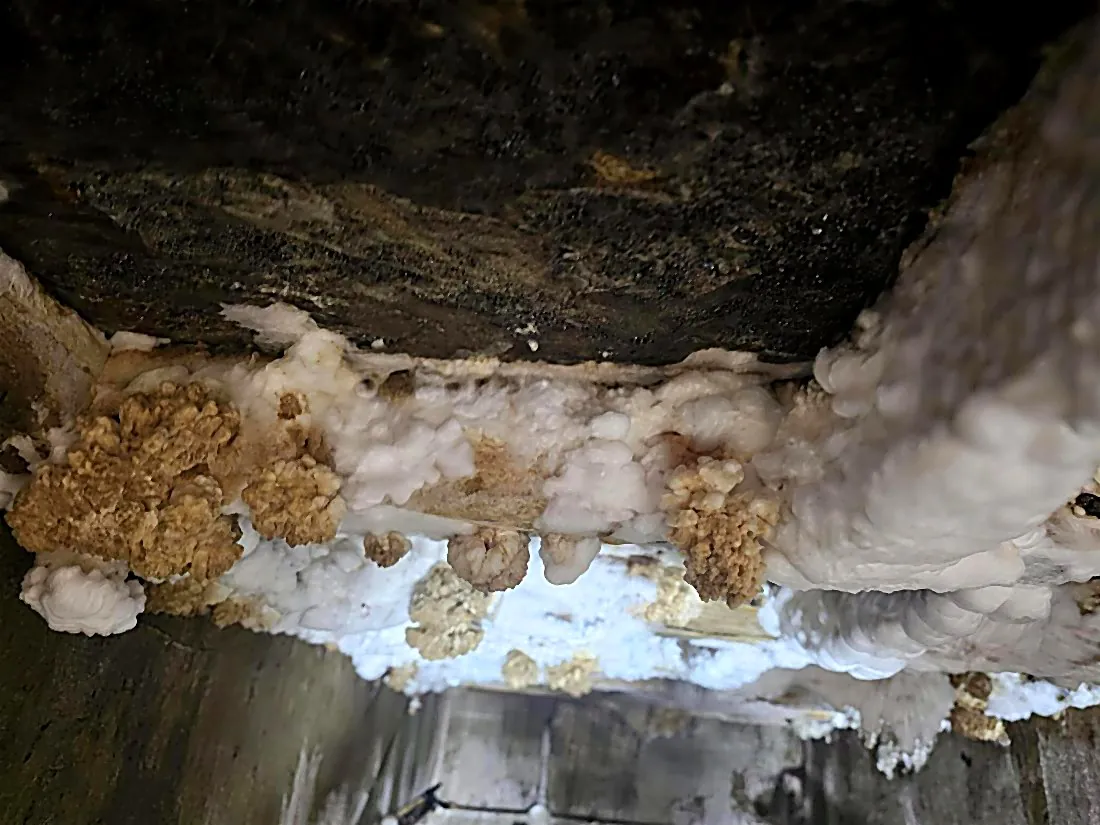
| Tell-tale signs | Deep cube-shaped cracks, brittle wood, reddish-brown spore dust | Soft, spongy, darkened timber |
| Fix | Remove the source of moisture, then treat or replace the affected timber | |
Causes & symptoms of dry and wet rot
Flip between the two to see how differently they behave.
Dry rot can spread along timber, through brickwork and across the groundWet rot generally stays where the moisture is
Dry rot
Dry rot is caused by a wood-destroying fungus that develops in damp, poorly ventilated conditions. It can spread through timber and other building materials when moisture is present, often as a result of leaks, condensation or poor ventilation.
Common symptoms- Cracked or distorted timber
- Deep cube-shaped (cuboidal) cracking
- Brittle wood that crumbles easily
- White or grey fungal growth
- A distinctive musty smell
- Reddish-brown spore dust
Wet rot
Wet rot is caused by fungi that thrive in persistently damp timber. It is commonly linked to leaking gutters or pipes, penetrating or rising damp, a defective roof and poor ventilation. Unlike dry rot, wet rot generally stays confined to where the moisture is.
Common symptoms- Darkened or discoloured timber
- Soft or spongy wood
- Cracking along the grain
- Fungal growth
- A damp or musty smell
- Timber that has lost its strength
Why early detection matters
- Moisture gets inA leak, condensation or poor ventilation
- Fungus takes holdDamp timber starts to decay
- Timber weakensSoft, cracked or crumbling wood
- Serious damageTimber may need replacing
Both dry and wet rot can cause serious damage if left untreated. Finding and removing the source of the moisture, then treating or replacing the affected timber, stops further decay and protects the structure of your property. The earlier it is caught, the smaller the fix.
Can wet or dry rot affect your health?
Rot mainly affects the structure of a property, but the damp conditions and fungal growth that come with it can lower indoor air quality and affect the people living there, particularly anyone sensitive to mould and airborne fungal spores. Possible effects include:
- Respiratory irritation
Fungal spores may cause coughing, sneezing, a sore throat, or irritation of the nose and throat.
- Allergic reactions
Runny or blocked noses, itchy or watery eyes, skin irritation or other allergy symptoms.
- Asthma & breathing difficulties
Damp, mouldy conditions can aggravate asthma and other existing breathing conditions.
- Headaches & general discomfort
Some people report headaches, tiredness or feeling unwell in damp, poorly ventilated homes.
- Higher sensitivity for some
Children, older adults and people with allergies, asthma or weakened immune systems may be more affected.
- Worth knowing
Dry and wet rot themselves are not generally considered directly toxic to people. The main health concern is the damp, and the mould and fungal spores that come with it. Finding the source of the damp quickly protects both the property and the people in it.
05Sanitisation
Home & commercial sanitisation
Professional sanitisation for cleaner, healthier and more hygienic homes and workplaces. We use effective methods to reduce bacteria, viruses, mould, allergens and unpleasant odours throughout your property.
Whether it follows an illness, damp and mould, getting a property ready for new occupants, or you simply want a high standard of hygiene, we offer thorough sanitisation tailored to your needs, and the peace of mind of a fresh, clean and hygienic home.
When people call us
- After someone in the house has been ill
- After damp and mould have been dealt with
- Before new tenants or occupants move in
- Smoke, pet or damp odours that will not shift
- Regular hygiene for homes and workplaces
What our sanitisation includes
Professional cleaning and disinfection that reduces harmful microorganisms, allergens, mould and odours in homes and commercial properties. Typical services include:
- Disinfection & sanitisation
Rooms, surfaces and high-touch areas.
- Mould treatment & remediation
Where it is needed.
- Virus & bacteria reduction
Following illness or contamination.
- Odour removal
From smoke, pets, damp and other sources.
- Air & surface treatment
Using the right professional equipment and approved products.
- Preventative hygiene treatments
To help keep the environment cleaner and healthier.
In simple terms: we make a property cleaner, more hygienic and safer by reducing contamination and unwanted microorganisms.
Qualified, accredited & approved
Accredited member of Dewpoint Professional
Federation of Damp member
Biokil approved contractor
We work to the Dewpoint Professional Code of Conduct & Standards. Dewpoint Professional, the Federation of Damp and Biokil are independent organisations.
Mould & damp jobs
Pick the level that suits the job
Not every job needs the full works. After your free survey we will tell you honestly which one you are looking at.
Clean & Treat
Surface mould, caught early
- Full mould clean-down
- Anti-mould treatment applied
- Anti-damp / anti-mould paint finish
- Ventilation advice
- Usually done in a day
Treat & Ventilate
Mould that keeps coming back
- Everything in Clean & Treat
- Anti-mould fogging of the whole room
- Extractor fan replaced or upgraded
- Condensation and air flow put right
- The cause dealt with, not just the stain
Strip & Re-render
Damp walls, years of it
- Walls hacked back to brick
- Damp-proof course injected where needed
- Re-rendered and re-plastered
- PIV unit fitted for whole-home ventilation
- Left ready to decorate
Questions
What people ask us
Do you offer free surveys?
Yes. Every job starts with a free survey and home health check. We come and look at the issue, find what is causing it and explain what it takes to fix, with no cost and no obligation. Call 01372 271248 or book online.
Are you accredited?
Yes. We are accredited members of Dewpoint Professional and work to its Code of Conduct and Standards. We are also members of the Federation of Damp and a Biokil approved contractor. Our surveys are carried out by a qualified damp surveyor.
What causes damp in a house?
Damp in a house is mainly caused by condensation, penetrating damp or rising damp. Condensation comes from moist air meeting cold walls and windows. Penetrating damp is rain or leaks getting in through roofs, walls, gutters or plumbing. Rising damp is ground moisture climbing up through a failed or bridged damp-proof course.
What are the most common types of mould in UK homes?
Black, green, white, and blue or pink mould. Black mould is usually found in bathrooms and around cold windows, green mould on damp walls, window frames and carpets, white mould in cellars and cold corners, and blue or pink mould in wet bathrooms and shower grout. All of them thrive on condensation and damp.
Is anti-mould fogging safe for children and pets?
Yes. The fogging treatment we use is safe for people and animals. It is a naturally occurring substance the human body produces to stop wounds getting infected. It also controls odours and will not bleach furniture.
What is the difference between wet rot and dry rot?
Dry rot is a wood-destroying fungus that can spread through timber and other building materials, and shows as deep cube-shaped cracking, brittle wood, white or grey growth and reddish-brown spore dust. Wet rot needs timber that stays wet and generally stays where the moisture is, leaving wood soft, spongy and darkened.
Is dry rot or wet rot harmful to health?
Dry and wet rot are not generally considered directly toxic to people. The health concern is the damp environment, and the mould and fungal spores that come with it, which can irritate the airways and make asthma and allergies worse.
How do you get rid of dust mite and pet allergens at home?
We combine anti-allergen fogging, which changes the structure of the proteins in dust mites and pet dander so they no longer cause a reaction, with HEPA air scrubbers, HEPA vacuuming of furniture and fabrics, antimicrobial cleaning, and air filtering or PIV ventilation where it helps.
What is a HEPA air scrubber?
A portable, commercial-grade filtration machine that pulls in contaminated air and passes it through a High-Efficiency Particulate Air (HEPA) filter, removing mould spores, allergens and other hazardous particles from the room.
What does home sanitisation include?
Disinfection of rooms, surfaces and high-touch areas, virus and bacteria reduction after illness, mould treatment where needed, odour removal from smoke, pets or damp, air and surface treatment with professional equipment, and preventative hygiene treatments.
Which areas do you cover?
We are based in Hersham, Walton-on-Thames, and cover Elmbridge and the wider Surrey area, including Walton-on-Thames, Molesey, Cobham, Claygate, Oxshott, Leatherhead, Kingston, Surbiton, Epsom, Woking, Guildford, Addlestone, Chertsey and Staines, plus parts of south west London and Berkshire.
Start with a free survey
Tell us what you are dealing with, whether it is mould, damp, allergies, rot or a property that needs sanitising, and we will come and look at no cost.