Is black mould dangerous to your health?
We want to be careful with this one. We are not doctors and we are not going to frighten you into booking a job. But somebody asks us about it on nearly every visit, usually because of a child or an elderly parent, so here is what is actually documented and what we can honestly tell you.
Damp and mould are linked to breathing issues. NHS guidance connects them with respiratory issues, asthma attacks, wheezing, coughing and infections, and says the risk is higher for babies, children, older people and anyone with asthma, eczema or a weakened immune system. If somebody at home is unwell, see your GP.
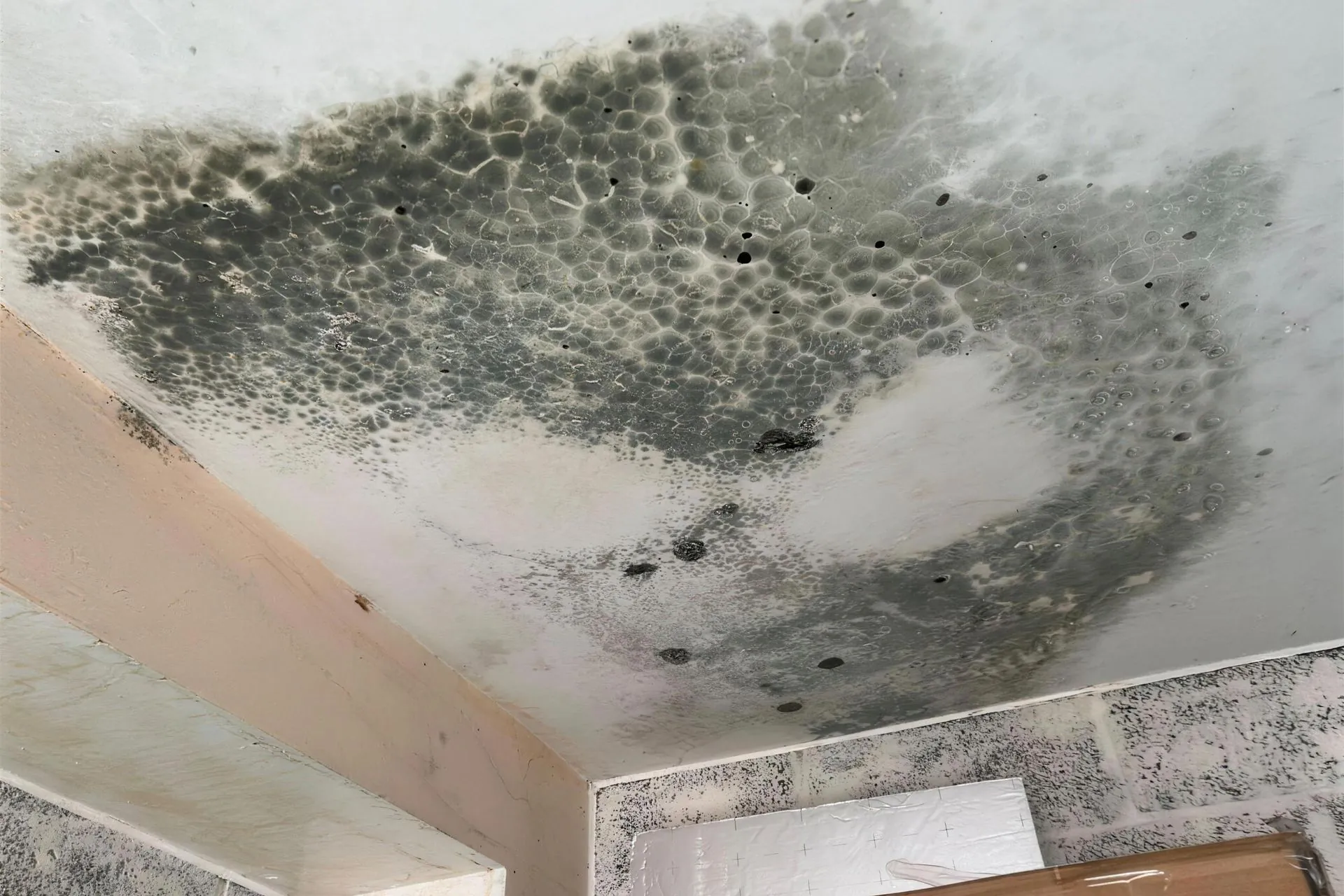
What does the NHS say about damp and mould?
It is fairly plain about it. NHS guidance links living in a damp or mouldy home with respiratory issues, asthma attacks, wheezing, coughing and infections. It does not talk about species or toxins, and neither will we. The point it makes is about damp homes generally, not just the black you can see, and that matches what we find. Notice it says linked. It is not a diagnosis of anything you or your family have got. That part is for a GP. But it is enough reason to treat a damp house as something to remedy rather than something to live with.
Who should take it most seriously?
The same guidance is clear that the risk is higher for babies and children, older people, and anyone with asthma, eczema, a breathing condition or a weakened immune system. So if there is a cot in that room, or an elderly parent in the house, or somebody whose inhaler use goes up every winter, we would move it up your list. Not to panic you. Just because those are the people who feel a damp house first. If that is your situation, the sensible order is to speak to your GP about the symptoms and get somebody to look at the damp. Two separate jobs, and neither one replaces the other.
Why Awaab's Law exists
This is the part that changed how seriously this gets taken in this country. Awaab Ishak was two years old when he died in 2020 after prolonged exposure to mould in a flat in Rochdale. Awaab's Law came out of that. It sets legal deadlines for social landlords in England to investigate damp and mould once it has been reported and to deal with dangerous hazards rather than letting them sit. Around the same time the Housing Ombudsman published its Spotlight on damp and mould report, which told landlords to stop putting it down to tenants' lifestyle. We are not raising that to frighten anybody in their own home. We are raising it because it is the clearest answer there is to the question of whether mould is only cosmetic.
Is it safe to sleep in a room with black mould?
For a healthy adult, a night or two is not the same thing as a child sleeping next to a black wall every night all winter. That is the honest answer. If you cannot get it dealt with straight away, move the bed off the affected wall, keep the door open and get some air through that room, and do not dry washing in there. If there is a baby, an older person or anyone with asthma in the house, we would use a different room until it is treated. And tell your GP the home is damp if anybody is being seen about a cough or a chest issue, because it is relevant and they will want to know.
What we are qualified to tell you, and what we are not
We do mould and damp for a living. We are qualified damp surveyors, Federation of Damp members, Dewpoint Professional accredited and a Biokil approved contractor, and all of that trains you to do one thing, which is find water and stop it. None of it makes us doctors. So we are not going to tell you what mould is doing to your lungs, because we do not know, and neither does anybody quoting a study at you on your doorstep. We also do not test species, and we would be wary of anybody who makes a big thing of it. If a company is leading with scary species names before it has even looked at your wall, that is a sales tactic. Whatever is growing on your wall, you want it gone and you want the water feeding it gone.
The order we would do things in
Start with the water. Work out why that surface is wet, whether it is a fan that does not pull, a leak, or a cold wall with a sofa pushed against it. Fix that. Then clean and treat what has grown, properly, rather than wiping it over and painting on top. Then keep the air moving so it does not come back, which might be an extractor fan replacement or a PIV unit in the loft. And it is not only the black patches that count. A room can smell musty, feel heavy and have water running down the windows every morning with no mark on the wall at all. Trust the smell. We cover Hersham, Walton-on-Thames, Esher, Weybridge and Cobham, and if anybody in the house is unwell, that part is for a doctor, not for us.
Common questions
Do we need to move out while you work?
For most jobs, no. If we are fogging a room you will need to stay out of that one room for a few hours until it is dry, and we will tell you which room and for how long. A full strip and re-render is dusty and noisy, so people often plan around it, but we have never had to empty a house.
Is it safe for me to clean a patch off myself?
A small patch in a bathroom corner, yes. Gloves, a mask, window open, and do not go at it dry with a stiff brush because that puts the lot into the air. If it is a large area, or it is on something soft like a mattress or a carpet, or somebody in the house has a chest condition, leave it alone and get somebody in.
Should I tell my landlord?
Yes, in writing, with photos and a date on them. Most landlords round here sort it once they know, and having it written down protects you if it drags on. Social landlords in England now work to legal deadlines under Awaab's Law once damp and mould has been reported, so the date you reported it genuinely matters.