Can a landlord blame a tenant for mould?
We get calls from both sides of this one. Tenants who've been told it's their own fault for drying washing indoors, and landlords who've been told the house is falling down. The truth is usually somewhere in the middle, and it comes down to what's actually causing it. The rules have tightened up a lot, so start here.
Sometimes, but far less often than they claim. Condensation can be made worse by drying washing indoors or never opening a window, but if a home is cold, badly ventilated or has a building fault, that is the landlord's responsibility. The Housing Ombudsman has told landlords to stop dismissing damp and mould as tenant lifestyle.
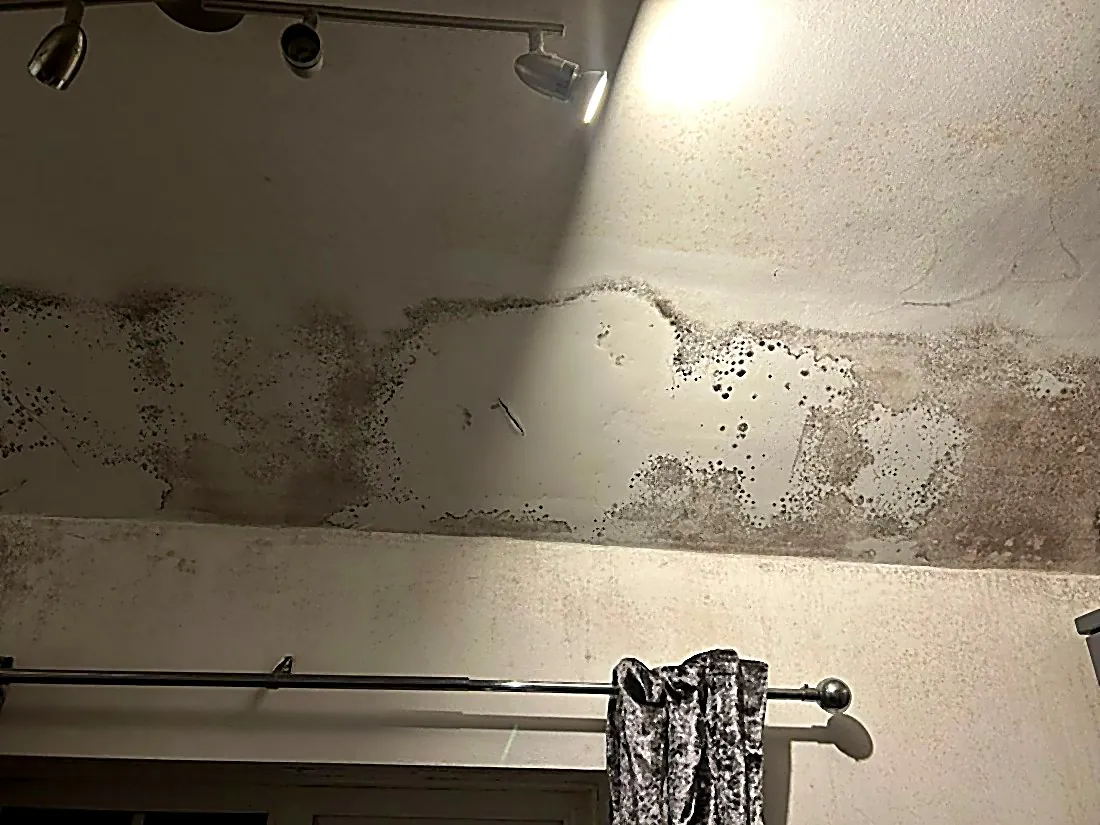
What is Awaab's Law, and who does it cover?
Awaab's Law is named after Awaab Ishak, a two year old boy who died in 2020 after prolonged exposure to mould in a flat in Rochdale. It sets legal deadlines for social landlords in England to investigate damp and mould once it's been reported and to get on with fixing anything dangerous, rather than letting it sit in a file for two winters. If you rent from a council or a housing association, that timetable applies to you. If you rent privately it doesn't apply directly, but the property still has to be fit to live in, and no landlord or agent in Elmbridge wants to be the one arguing the toss about damp after all that. It changed the tone of these conversations for good.
What the law puts on the landlord
The landlord is responsible for the structure of the building and for keeping the place free of hazards that affect your health. Under the Homes (Fitness for Human Habitation) Act, damp and mould bad enough to make somebody ill can make a property legally unfit to live in. So if water's coming through the roof, the gutter is shot, the damp course has failed or there's no working extractor in the bathroom, that sits with the landlord. None of those are things a tenant can do anything about, however carefully they live.
Can a landlord blame a tenant for mould?
Sometimes, but far less often than it gets said. The Housing Ombudsman's Spotlight on damp and mould report told landlords to stop putting it down to tenants' lifestyle, and that was overdue. Tenants are expected to live in a place sensibly. Use the extractor. Don't dry a full load of washing across the radiators with every window shut. Open a window after a shower where you reasonably can. Don't shove the wardrobe flat against the coldest wall in the house. That's the honest list and none of it is unreasonable. What isn't fair is being told it's all lifestyle when the flat has one painted-shut vent, a dead fan and single glazing. Nobody can ventilate their way out of that.
What a written report actually does
This is the useful part for either side. We come out, find where the moisture is coming from and put it in writing. If it's a building defect, the report says so and the landlord knows exactly what needs doing. If it's genuinely condensation and ventilation, the report says that too, and the fix is normally not expensive, often a decent extractor or a PIV unit. Either way it stops being an argument about opinions and becomes a job with a scope and a price on it. That alone unsticks most of these, and it's usually the point at which something actually gets done.
Landlords, deal with it early
We're not going to lecture anybody, but the cheap version of this job is always the early one. A bit of surface mould in a bedroom corner is a clean, a treatment and often a fan, done in a day, with a guarantee on it. Leave the same wall for three winters and it's plaster off, damp course, re-render, drying time and redecoration, plus a tenant who's now taking advice from somebody else. Damp that sits that long rots skirtings and gets into joists, and that's before you count void periods and a disrepair claim. We work with private landlords and agents across Elmbridge, and the ones who ring at the first photo pay a fraction of what the ones who wait pay.
Tenants, get it in writing
Report it to your landlord or the agent in writing, not just over the phone, and keep a copy of everything. Take photos with the date on them. If somebody comes out to look, note down who came and what they said. You're not being awkward by doing that, you're building a record. If it ever does go to the council, the Ombudsman or a solicitor, the thing that decides it is the paper trail, and we've never met anybody who regretted having one. If anyone in the house is coughing or wheezing, tell your GP as well, and say the home is damp.
Common questions
Can I sue my landlord for mould in the UK?
You can bring a disrepair claim where a landlord has been told about an issue that's theirs to fix and hasn't dealt with it in a reasonable time. We're not solicitors, so get proper advice. Shelter and Citizens Advice are both free and they'll know your situation better than we will. What we can tell you is that these cases turn on evidence, so the written record and an independent report on the cause are worth more than anything else you can do.
Can I refuse to pay rent if there's mould?
No. We understand the temptation completely, but withholding rent creates a second issue on top of the one you've already got and it weakens your position badly. Raise it in writing, get the cause documented by somebody independent, and keep chasing. That works. Rent arrears don't.
Can my landlord evict me for reporting mould?
There are retaliatory eviction protections where you've raised disrepair properly and in writing to the landlord or the agent, which is exactly why the written record matters so much. If you're worried about where you stand, Shelter and Citizens Advice both give free advice on this and they'll know your situation better than we will.