How do you stop condensation on windows?
If you're going round the house with a tea towel every morning wiping the windows, we can probably save you some of that. Some of it is things you can change this week for nothing. Some of it isn't your fault at all, and we'll tell you where that line sits.
Stop condensation on windows by making less moisture and moving more air. Lids on the pans, the bathroom fan running well after the shower, no washing on radiators, trickle vents open and furniture pulled off cold walls. If you're still wiping sills every morning after that, the house needs proper ventilation, not better habits.
What is condensation, and why is it on the glass?
Warm air holds moisture. Cold air can't hold nearly as much. So the warm damp air in your house drifts about until it touches something cold, and the glass is the coldest thing in most rooms, so the moisture drops out of it as water. That's all condensation is. The window isn't the issue, it's the messenger. Whatever is running down that glass is also settling on your cold outside walls, behind the wardrobe and in the corners, where you won't see it until the black turns up.
Make less moisture in the first place
Lids on the pans while you're cooking, and the kitchen extractor on. Bathroom door shut while you shower, fan running, and leave it running for a good while after you get out rather than switching it off with the light on your way past. Wipe the shower screen down while you're in there. None of it is dramatic and all of it is free, and in a house that's borderline it can be enough on its own to stop the windows streaming by the weekend.
Washing on the radiators is the big one
If we had to pick one habit to change, it's this every time. A wet load of washing drying indoors puts a surprising amount of water into the air of your house, and every drop of it has to go somewhere. If you've got a tumble dryer, use it, and check it's actually vented outside properly rather than into a cupboard. If you haven't got one, dry it in a single room with the door shut and the window open a crack. Don't spread it across every radiator in the house.
Let the air move about
Open the trickle vents in your window frames. Most people don't know what they are and a good number of them have been painted shut over the years. Pull furniture a few centimetres off the outside walls so air can get behind it, wardrobes and beds especially. Don't cram a wardrobe solid to the back panel. And air the house properly. Ten minutes with the windows wide open loses far less heat than you'd think and takes a lot of moisture out with it, more than a window on the latch all day does.
Is your extractor fan actually working?
Hold a square of loo roll against the bathroom extractor while it's running. If the fan won't hold it there, it isn't shifting air and it may as well not be on the wall. Try the same test in the kitchen. A lot of the fans we find round Walton-on-Thames and Weybridge are the originals from when the bathroom was fitted, choked solid with dust, or ducted up into a loft rather than outside, which just moves your moisture issue into the roof. An extractor fan replacement, sized properly for the room, is one of the cheaper fixes going.
What is that water actually doing to the house?
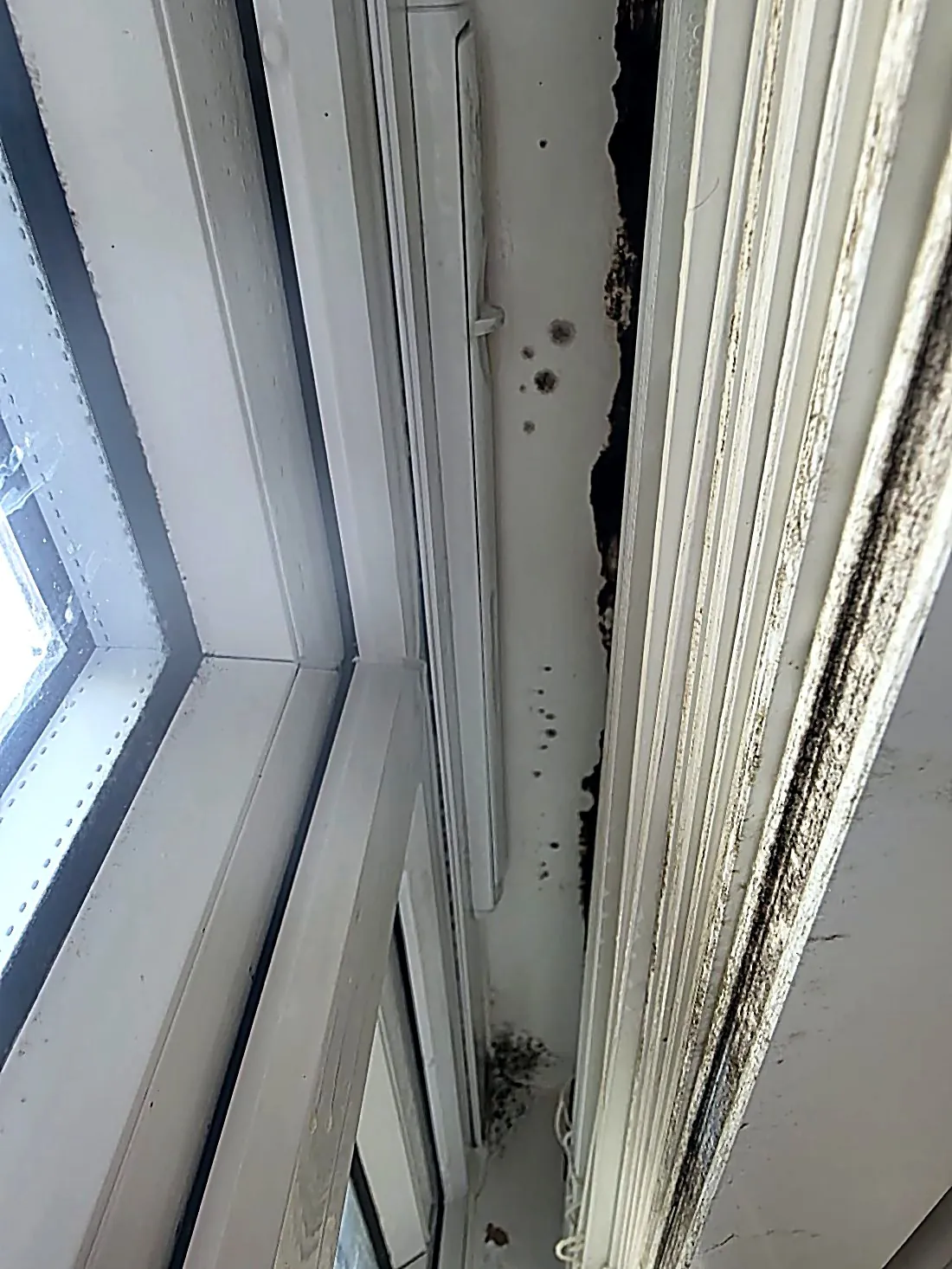
More than marking a sill. Water sitting on frames and sills day after day rots timber frames, blackens the seals and lifts the plaster at the reveals, and once it's soaking into the wall below the window you're into re-plastering rather than a wipe down. Then there's the mould that comes with it. NHS guidance links damp and mould with respiratory issues, asthma attacks, wheezing, coughing and infections, and says the risk is higher for babies, children, older people and anyone with asthma, eczema or a weakened immune system. So if you're doing everything above and still wiping sills every morning, stop blaming yourself. The house isn't ventilating, and that's a mechanical issue rather than a behaviour one. That's the point where a proper extractor or a PIV unit earns its keep.
Common questions
Do dehumidifiers work?
They help in the room they're standing in, and they're genuinely useful if you've got no choice but to dry washing indoors. What they don't do is ventilate a house, and they need emptying. They're a plaster rather than a fix. If you're running one all winter just to keep on top of it, the house is telling you it needs proper ventilation.
Does condensation mean my house is too cold?
Not always, but cold surfaces are half of it. A house warmed evenly has fewer cold spots for moisture to land on, whereas blasting the heating for two hours in the evening gives you warm damp air and cold walls, which is the worst combination there is. It's heating and ventilation together that fixes this. Warmth on its own just moves the issue somewhere else.
My windows are new and it's got worse. Why?
That one comes up a lot. New units seal the house properly and take away all the draughts that used to ventilate it by accident. The amount of moisture you make hasn't changed, the escape routes have gone. Check the new frames have trickle vents and that they're open, because if they haven't got any, that's usually your answer.